Installers, homeowners and the Clean Energy Regulator: how STCs really work
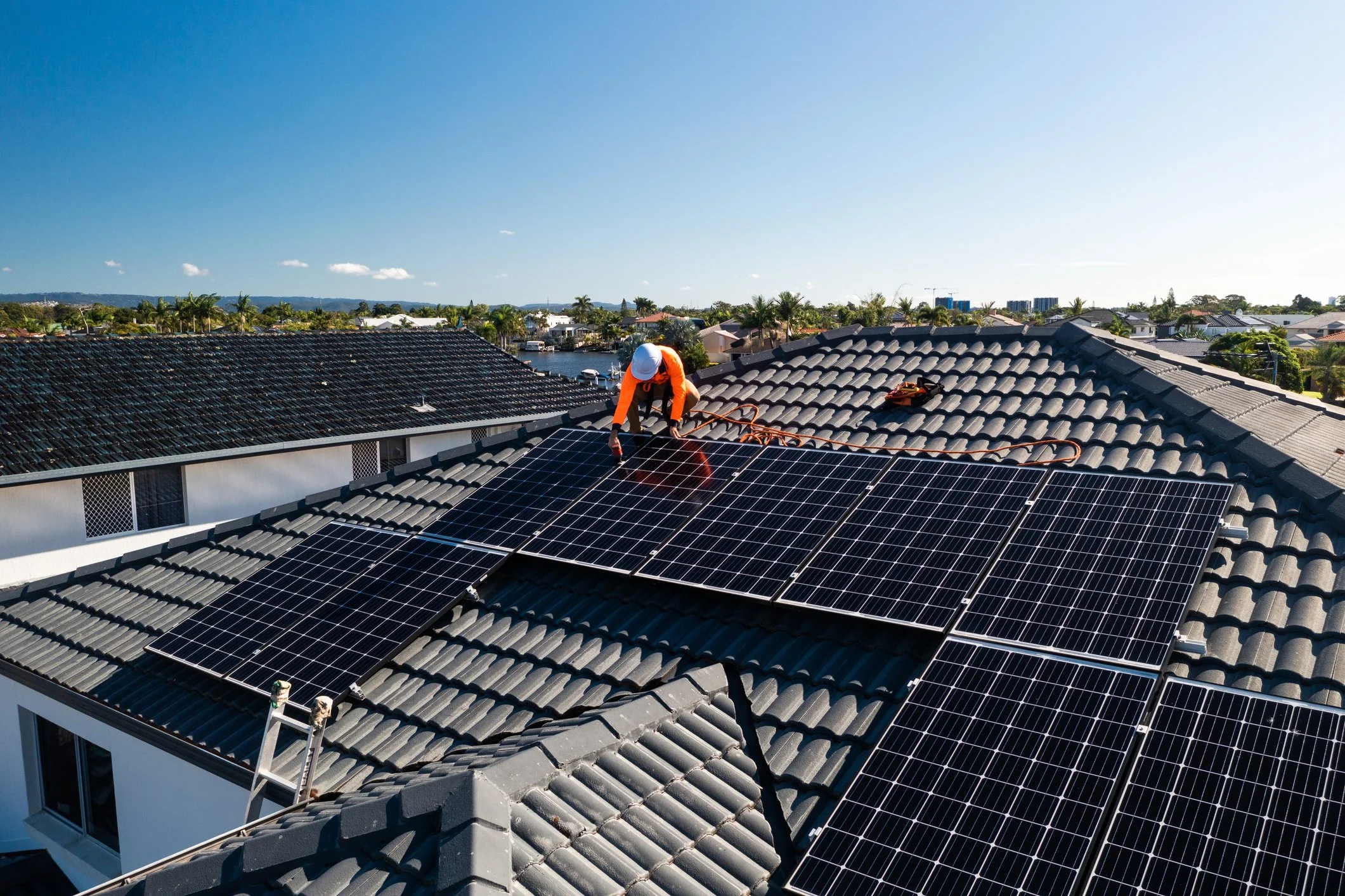
An SAA Accredited Electrician installing rooftop solar on a home in Australia.
If you’ve installed solar on your home in Australia – or you’re thinking about it – you’ve probably heard about STCs, or Small-scale Technology Certificates. They’re a big reason rooftop solar and battery storagee is more affordable, but they can also be a source of confusion.
The Clean Energy Regulator (CER) sits in the middle of the system. The CER does not sell solar systems, and does not buy certificates buy certificates. The CER runs and regulates the STC scheme to make sure it’s fair, lawful and working as intended.
This article explains the relationship between installers, homeowners, and the CER when it comes to trading STCs, what each party is responsible for, and where things can go wrong if corners are cut.
What are STCs, in simple terms?
STCs are part of Australia’s Renewable Energy Target. They’re designed to encourage households and small businesses to install renewable energy systems like rooftop solar and battery storage.
When an eligible solar system is installed, it can create a number of STCs based on:
the size of the system
where it’s installed
how long the system is expected to generate electricity
For solar panels, each STC represents one megawatt-hour of renewable electricity that system is expected to produce over time. Battery STCs are calculated using a fixed method based on usable battery capacity, measured in kilowatt-hours (kWh).
STCs have a market value. That value is what lowers the upfront cost of your solar system.
The three key players in the STC process
1. The homeowner
As the system owner, you are the original owner of the STCs created by your solar system. That’s an important point.
Most homeowners don’t ever see the certificates directly, because they choose to assign their STCs to their installer in exchange for an upfront discount. But legally, those certificates start with you.
Your main responsibilities are to:
ensure the system is installed at your property
provide accurate information (address, meter details, etc.)
sign the STC assignment form honestly
If something is false or misleading, even unintentionally, it can cause problems later.
2. The installer (and retailer)
Installers and solar retailers are usually the ones who:
design the system
install it
arrange the paperwork
create and trade the STCs
To do this, they must:
be properly accredited (for example, Clean Energy Council accreditation)
use approved components
follow installation standards
submit correct information to the CER
When you assign your STCs to an installer, they’re effectively paying you for them by reducing your system price. The installer then sells those STCs to electricity retailers or other buyers in the STC market.
This is where most of the money flows.
3. The Clean Energy Regulator (CER)
The CER administers and enforces the scheme by:
maintaining the STC Registry
approving eligible systems and components
auditing installers and agents
investigating non-compliance and fraud
taking enforcement action when required
The CER does not set the price of STCs, and does not choose who trades with whom. The job of the CER is to make sure certificates are created lawfully and honestly.
How STC trading usually works
In a normal, compliant installation, the process looks like this:
You agree to a solar and/or battery storage quote that includes an STC discount
The system is installed by an accredited installer
You sign an STC assignment form
The installer (or their agent) creates the STCs in the CER registry
Those STCs are sold on the market
For most homeowners, that’s the end of it. You get cheaper solar, and the system works quietly in the background.
Example 1: a straightforward, compliant install
Sarah owns a home in Brisbane, QLD and installs a 6.6 kW solar system.
The installer explains that the quote includes an STC discount worth about $2,500
Sarah signs the assignment form, transferring her STCs to the installer
The installer lodges correct details with the CER
The STCs are created and sold
Everyone gets what they expect
Sarah saves money upfront, the installer gets paid for the certificates, and the CER records show a valid installation.
This is how the scheme is meant to work.
Where problems can arise
Most issues we see don’t come from homeowners trying to do the wrong thing. They usually come from:
incorrect system details
installations that don’t meet standards
paperwork being signed without explanation
installers creating more STCs than they should
When STCs are created improperly, it undermines confidence in the scheme and can lead to serious consequences.
Example 2: when things go wrong
John installs solar through a very cheap online deal.
The installer rushes the job
The system size lodged with the CER is larger than what was actually installed
Mark signs paperwork without it being explained
Extra STCs are created based on false information
Months later, the CER audits the installation.
The outcome may include:
STCs being cancelled
the installer being required to repay their value
compliance action against the installer
stress and inconvenience for the homeowner
Even though John didn’t mean to do anything wrong, inaccurate information still entered the system.
Why the CER audits and enforces the rules
The STC scheme is worth billions of dollars. That means it has to be protected.
Audits help ensure that:
homeowners get safe, quality installations
honest installers aren’t undercut by dodgy operators
STCs represent real renewable energy outcomes
When the CER takes enforcement action, it’s not about punishing honest mistakes. It’s about maintaining trust in the system so it continues to benefit Australian households.
What homeowners can do to protect themselves
If you’re installing solar:
choose a reputable, accredited installer
ask questions about STCs and discounts
make sure the system installed matches your contract
don’t sign blank or incomplete forms
keep copies of your paperwork
If something feels rushed or unclear, pause and ask.
What installers should keep front of mind
For installers and retailers, compliance isn’t optional.
You’re responsible for:
accurate system design and documentation
meeting all eligibility rules
explaining STC assignments clearly to customers
keeping records that stand up to audit
Doing the right thing protects your business and the broader industry.
The relationship in a nutshell
The STC system works because each party plays a role:
Homeowners provide the site and own the certificates initially
Installers do the work and trade the certificates
The CER oversees the system and enforces the rules
When everyone understands their role, STCs do exactly what they’re meant to do: make clean energy more affordable for Australians, while maintaining integrity and trust in the scheme.
That’s good for households, good for the industry, and good for Australia’s energy future.